

colettecrews40
About colettecrews40
Comprehensive Study Report on Light Jets for Sale
Introduction
The aviation industry has witnessed remarkable advancements over the years, particularly in the realm of business aviation. Among the various categories of aircraft, light jets have gained significant popularity due to their versatility, efficiency, and affordability. This report delves into the features, market trends, pricing, and considerations for purchasing light jets currently available for sale.
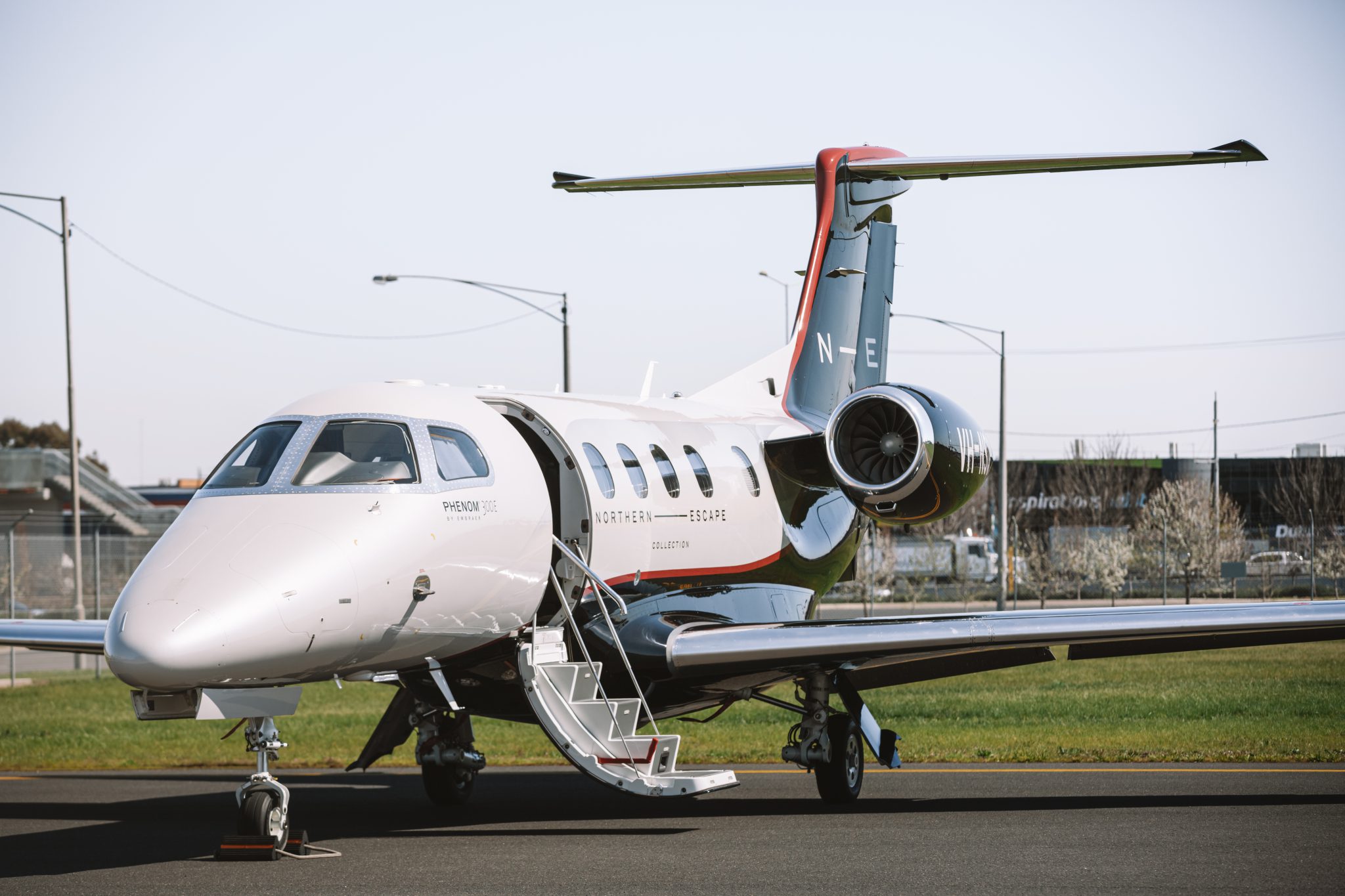
What is a Light Jet?
Light jets are a category of business aircraft that typically seat between 6 to 8 passengers and are designed for short to medium-haul flights. They are characterized by their relatively small size, range of approximately 1,500 to 2,500 nautical miles, and the ability to operate from shorter runways. This makes them ideal for accessing smaller airports and reaching destinations that larger jets cannot.

Key Features of Light Jets
- Performance: Light jets are known for their impressive speed and climb rates. Most models can cruise at speeds of 400 to 500 knots, allowing for quick travel between destinations.
- Fuel Efficiency: With advancements in engine technology, light jets have become increasingly fuel-efficient, reducing operational costs for owners and operators.
- Cabin Comfort: Despite their smaller size, light jets often come equipped with luxurious interiors, including comfortable seating, modern avionics, and sometimes even galley facilities.
- Versatility: Light jets can serve a variety of purposes, from business travel to leisure trips, making them a flexible choice for many buyers.
Popular Models of Light Jets
Several manufacturers dominate the light jet market, each offering unique models that cater to different needs. Some of the most popular light jets currently available for sale include:
- Cessna Citation M2: Known for its reliability and performance, the Citation M2 features a spacious cabin, advanced avionics, and a range of approximately 1,600 nautical miles. If you liked this post and you would like to get a lot more data pertaining to Privatejetscharter.review kindly go to our web page. It is particularly favored for its ease of operation and low operating costs.
- Embraer Phenom 100: This jet is recognized for its spacious cabin and impressive range of 1,178 nautical miles. The Phenom 100 also boasts a modern cockpit and is known for its fuel efficiency, making it a popular choice among first-time buyers.
- Bombardier Learjet 75: The Learjet series has a storied history in the aviation industry. The Learjet 75 combines speed, range (approximately 2,040 nautical miles), and luxury, making it a favorite among corporate executives.
- HondaJet HA-420: This innovative jet features an over-the-wing engine mount design, which enhances fuel efficiency and reduces cabin noise. The HondaJet has a range of about 1,223 nautical miles and is known for its cutting-edge technology.
Market Trends and Demand
The demand for light jets has seen a resurgence in recent years, particularly following the COVID-19 pandemic, which prompted many businesses to reconsider their travel strategies. Key trends influencing the light jet market include:
- Increased Private Travel: As companies seek to minimize travel risks associated with commercial airlines, private jets have become a preferred mode of transportation, driving demand for light jets.
- Technological Advancements: Innovations in avionics, materials, and fuel efficiency have made light jets more appealing to buyers, leading to increased interest in new models.
- Sustainability Initiatives: With growing awareness of environmental concerns, manufacturers are focusing on developing more sustainable aircraft. Light jets are being designed to reduce carbon footprints, appealing to eco-conscious buyers.
- Fractional Ownership and Jet Cards: Many buyers are opting for fractional ownership or jet card programs, which allow them to access light jets without the full financial commitment of ownership. This trend has expanded the market for light jets significantly.
Pricing Overview
The price of light jets can vary widely depending on factors such as age, condition, model, and additional features. Generally, the price range for new light jets is between $3 million to $9 million. Pre-owned models can be significantly less expensive, typically ranging from $1 million to $5 million.
- New Light Jets: The cost of a brand-new light jet, such as the Cessna Citation M2, starts at around $4.5 million, while more luxurious options like the Bombardier Learjet 75 can exceed $9 million.
- Pre-Owned Light Jets: The market for pre-owned light jets is robust, with many options available. For instance, a 10-year-old Embraer Phenom 100 may be listed for around $2 million, making it an attractive option for budget-conscious buyers.
- Operating Costs: In addition to the purchase price, buyers must consider operating costs, including fuel, maintenance, insurance, and crew salaries. Light jets typically have lower operating costs compared to larger aircraft, making them a cost-effective choice for many operators.
Considerations for Buyers
When considering the purchase of a light jet, potential buyers should take several factors into account:
- Purpose of Use: Clearly define the intended use of the aircraft, whether for business, leisure, or a combination of both. This will influence the choice of model and features.
- Budget: Establish a realistic budget that encompasses not only the purchase price but also ongoing operating costs.
- Operational Requirements: Assess the types of airports and runways the jet will need to operate from, as some models are better suited for shorter runways than others.
- Inspection and Maintenance: Conduct thorough inspections and consider the maintenance history of pre-owned jets to ensure they are in good condition.
- Financing Options: Explore financing options, including loans and leasing, to determine the best financial strategy for acquiring the aircraft.
Conclusion
Light jets present an excellent opportunity for individuals and businesses seeking efficient, flexible, and cost-effective travel solutions. With a growing market, innovative designs, and a range of options available, potential buyers have numerous choices to consider. By carefully evaluating their needs and conducting thorough research, buyers can make informed decisions that align with their travel requirements and financial capabilities. As the aviation industry continues to evolve, light jets will undoubtedly remain a vital segment of the business aviation landscape.
No listing found.